
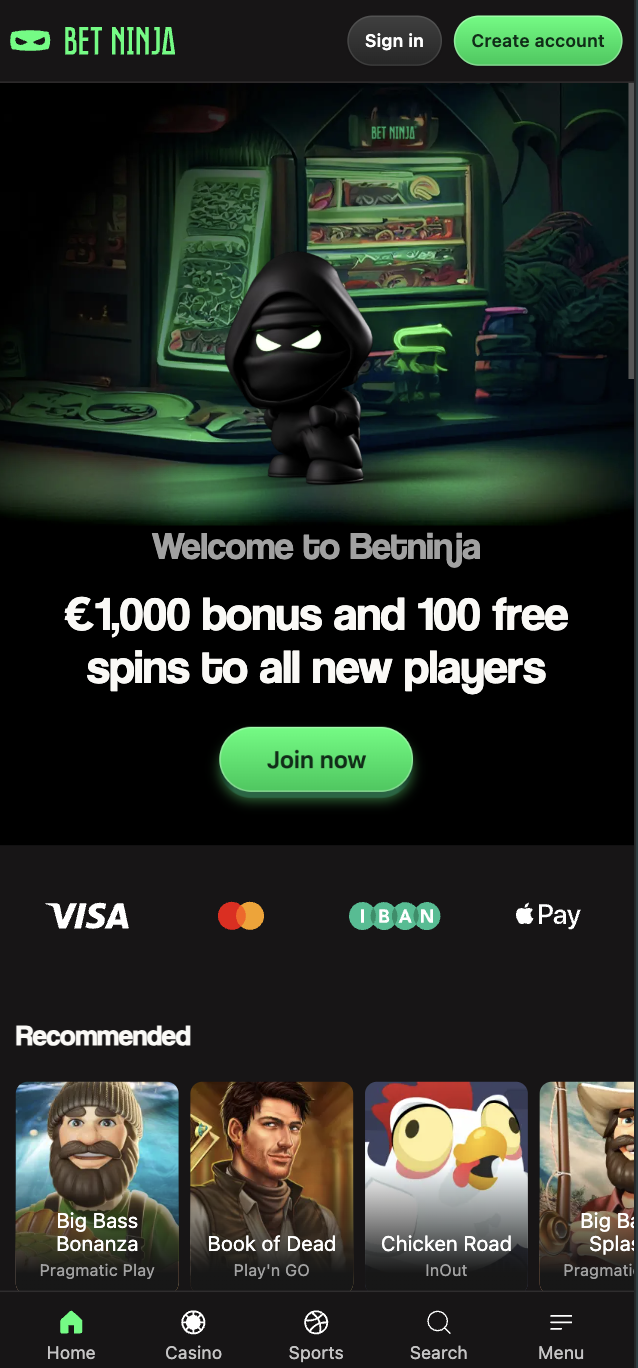
Each time you hit the reels or place a bet, a framework of regulations and regulators operates in the background to ensure fair play and your money safe. For Belgian players, grasping casino licensing is not just a matter of curiosity; it is a vital step toward protecting your personal data and the deposits you make. Licensing organisations ensure that casino operators adhere to rigorous legal, technical, and ethical requirements before they can welcome a single user. When a site like Betninja Casino displays a recognised licence seal, that mark signals a dedication to openness, consumer protection, and responsible gaming. This guide outlines the functions of gaming authorities, how they keep players safe, and what players from Belgium should watch for when picking a licensed internet casino.
První What Are Considered Casino Licensing Bodies and Their Purpose?
A casino licensing body is an official authority authorized by law to issue, oversee, and cancel gambling licences. These organisations serve as gatekeepers, ensuring that only licensees that meet tough criteria are allowed into the market. They review a company’s financial stability, software reliability, anti-money laundering procedures, and fairness of games before awarding a licence. Once a licensee is operational, the regulator continues to audit its conduct, examine player disputes, and impose sanctions when rules are broken. Without such regulation, online gambling would be chaotic and dangerous, subjecting players to unfair games, identity theft, and withheld payouts. Licensing entities consequently build a regulated ecosystem where confidence can grow between players and operators.
Traditionally, gambling regulation developed as authorities sought to regulate unlawful gambling operations and safeguard citizens from abuse. Over time, specific regulatory bodies were established, like the UK Gambling Commission or the Malta Gaming Authority, each formulating its own regulatory framework. Within Belgium, the gambling sector is overseen by the Belgian Gaming Commission, which enforces laws tailored to regional cultural and societal norms. These bodies do not work in isolation; they cooperate across borders to prevent fraud and uphold international standards. To the gambler, this implies that a license is much more than a decorative logo on the bottom of a landing page. It represents a guarantee supported by legislation and perpetual monitoring.
5. Spotting Licence Seals: What to Examine Before Playing
Walking into a licensed casino on a Belgian high street, the regulatory stamp is clearly visible. Online, licence seals can be just as visible, but players must learn to recognise genuine badges and confirm them. Any legitimate operator will show its licence number and the logo of the issuing authority in the website footer or on a dedicated legal page. However, a simple image is inadequate; fraudsters can replicate a logo. The key test is interactivity. On a trustworthy site, the seal links to a real-time licence registry entry hosted on the regulator’s official domain. For example, a Belgian-licensed casino should link to the Gaming Commission’s public register where the operator’s name, licence type, and validity dates are shown.
Players should also review the licence category carefully. A licence for sports betting does not automatically cover casino games or live dealer tables, and some shady operators try to blur these lines. The following checklist helps players quickly confirm whether a casino is genuinely licensed and safe for Belgian users:
- Position: The licence seal must be displayed in the footer and link to an official regulator’s database.
- Data: The licence number and the name of the operating company should correspond to the registry entry exactly.
- Range: Confirm the licence covers the specific products being offered, such as slots, table games, or live casino.
- Currency: Check that the licence is current and has not lapsed or been suspended.
- Support: A genuine regulator provides a complaints procedure; look for explicit instructions on the site.
Using those few extra seconds to click a seal and read the licence details can save a great deal of frustration later. In Belgium, the blacklist published by the Gaming Commission is another valuable resource, and players who stick to locally licensed venues automatically sidestep the https://www.jeuxvideo.com/forums/42-51-70315073-1-0-1-0-le-site-de-la-fdj-c-est-une-arnaque.htm risks associated with unregulated platforms.
4. Highlighting the Belgian Gaming Commission (Kansspelcommissie)
The Belgian Gaming Commission, known locally as the Kansspelcommissie, serves as the backbone of legal gambling in Belgium. Set up to guide the natural demand for games of chance into a controlled and supervised environment, the Commission issues several categories of licences that encompass online casinos, sports betting, arcades, and bingo halls. For online gaming, a so-called A+ licence is required to run a virtual casino, and securing one is an demanding process that can require many months. Applicants must demonstrate their financial integrity, technical competence, and commitment to social responsibility. The Commission also requires that servers and operational infrastructure be located within the European Economic Area to ensure data protection standards.
Belgium’s regulator differentiates itself through its active stance on player welfare. It operates the EPIS self-exclusion system, enforces weekly deposit limits that players cannot easily circumvent, and regularly publishes blacklists of illegal websites that are then blocked by internet service providers. The Commission also cooperates closely with the National Lottery and public health organisations to support addiction prevention and treatment programmes. For Belgian players, the Kansspelcommissie is not a distant institution but an accessible watchdog that publishes transparent reports and presents a complaint form directly on its website. Its presence comforts every user that when they wager on a locally licensed site, they are shielded by one of the most stringent regulatory frameworks in Europe.
3. Jakým způsobem licencování zabezpečuje belgické hráče v praxi
Belgie disponuje patří k nejpřísněji regulovaných hazardních trhů v rámci Evropy, a to oprávněně. Přístup země stojí na principu, že legislativní ochrana musí následovat s technologickým pokrokem. Jakýkoli operátor, který hodlá poskytovat služby obyvatelům Belgie, je povinen získat oprávnění od regulačního orgánu Belgie, jež dohlíží na herní zákon a následné nařízení. Pro hráče sedícího, který sedí ve svém bydlišti v Antverpách nebo Lutychu, to představuje hmatatelné záruky. Všechny licencované stránky musí být napojeny k systému EPIS, takže pokud hráč požádá k vyloučení, je zablokován ze všech legálních webech v Belgii. Proces ověření věku probíhá důsledně, s mandatorními identifikačními kontrolami, jež zabraňují osobám mladším 18 let v přístupu ke hrám k hazardu.
Hmatatelné přínosy sahají i na bezpečnost financí. Legální kasina v Belgii musí udržovat vklady hráčů na chráněných účtech, a proto i v málo pravděpodobném případě krachu kasina, zůstávají zůstatky hráčů zpětně získatelné. Reklama je rovněž přísně kontrolována, aby se předešlo klamavé reklamě, a bonusové podmínky musí být uvedeny s naprostou jasností. Komise pro hazard pravidelně kontroluje trh a uplatňuje blackouty proti zahraničním webům působícím bez belgické licence. Pro hráče to znamená, že rozhodnutí pro lokálně regulovaného kasina odstraňuje riziko propadnutí do nelegální pasti, kde chybí právní možnost odvolání. Jde o stupeň ochrany v praxi, kterou nelicencované platformy nejsou schopny replikovat.
2. The Core Functions of a Impartial Gambling Regulator
A thorough regulator wears many hats, and its core functions extend well beyond granting permits. The first duty is player protection, which includes the security of deposits, the fairness of random number generators, and the integrity of payout percentages. Regulators mandate independent testing labs to confirm that games are truly random and that the advertised return-to-player rates are accurate. Financial safeguards are similarly important; licensed casinos must keep player funds in segregated accounts, separate from operating capital, so that withdrawals are invariably honoured. Strong data encryption and privacy protocols must likewise be in place to shield sensitive personal information from cyber threats.
Beyond technical oversight, regulators apply strict responsible gambling measures. This comprises mandatory deposit limits, reality checks, time-out options, and self-exclusion tools that enable players stay in control. A equitable regulator also deals with dispute resolution. When a player thinks a game malfunctioned or a withdrawal was unfairly delayed, they can refer the matter to the licensing body for an impartial review. The following points outline the essential functions a trustworthy gambling regulator carries out on a daily basis:
- Issuing and renewing licences after exhaustive background checks.
- Demanding independent audits of game fairness and random number generators.
- Upholding the segregation of player funds from operational company accounts.
- Monitoring anti-money laundering and counter-terrorist financing compliance.
- Establishing a formal complaints channel with binding resolution powers.
- Imposing fines, suspending licences, or revoking them entirely for serious breaches.
- Cooperating with international watchdogs to block unlicensed operators.
Each of these functions builds a safety net that a player may never see, yet it operates continuously in the background. When an online casino proudly displays its licence number, it is inviting scrutiny from both the regulator and the informed player. That transparency is the bedrock of a healthy gambling environment in Belgium and beyond.
6. The Role of Licensing in Responsible Gambling and Affiliate Compliance
Licensing goes beyond the casino’s own operations; it also applies to the affiliates who promote the brand. Affiliate marketing plays a major role in how players discover new casinos, and regulators increasingly view affiliate behaviour as an element of the licensing ecosystem. When an operator enters a licensing agreement, it assumes the obligation for making sure that its affiliates adhere to advertising standards and refrain from targeting vulnerable groups or minors. The Belgian Gaming Commission expects licensees to conduct regular audits of their affiliate partners and to terminate relationships with any promoter who uses misleading claims or irresponsible messaging.
For affiliate programmes, compliance with licensing rules is not optional. Affiliates need to openly state their commercial relationship with the casino and avoid presenting gambling as a solution to financial problems. Many regulated markets, Belgium included, also enforce restrictions on bonus advertising, prohibiting phrases that suggest risk-free gambling or guaranteed wins. A well-structured affiliate system, such as the one operated alongside Betninja Casino, integrates these requirements into its terms and conditions from day one. This establishes a chain of accountability that runs from the regulator to the operator, and then to every single marketing partner. Players gain because the content they come across in reviews, banners, or social media posts is kept honest, balanced, and free of harmful exaggeration.
- Affiliates must only promote licensed operators holding valid approval in the player’s jurisdiction.
- All promotional materials need to feature responsible gambling messages and a clear mention to the licence.
- Affiliates are banned from targeting self-excluded individuals or using spam techniques.
- Regular compliance reports and creative audits need to be provided to the operator upon request.
- Any breach of these rules can result in immediate termination of the affiliate partnership.
This framework ensures that the principles of player protection go beyond the casino lobby and into the broader online environment. When licensing is treated with importance, the entire promotional ecosystem becomes safer.
7. Betninja Casino’s Commitment to Clear and Regulated Gaming
Betninja Casino works with a defined philosophy: a great entertainment experience can only be founded on a base of complete trust. For players in Belgium, that trust originates with a full licence issued by the Belgian Gaming Commission. Carrying a valid A+ licence signifies Betninja Casino fulfills every system , financial, and moral standard defined by the national regulator. Player funds are held in segregated accounts, games undergo regular independent testing for fairness, and the casino’s responsible gambling tools are completely integrated with the EPIS self-exclusion system. These are not marketing bullet points. They are required requirements of the licence, and they are checked continuously.
This same commitment to integrity extends to Betninja Casino’s affiliate programme. Every partner who markets the brand agrees to a full set of compliance rules created to protect consumers and preserve the reputation of licensed Belgian gambling. Affiliates receive clear guidelines on advertising content, age-gating, and mandatory responsible gambling references. The programme’s legal terms are drafted in plain language, making it easy for potential partners to comprehend their obligations before they sign up. Transparency is not just a legal duty at Betninja Casino; it constitutes the core of the brand’s identity, both when dealing directly with players and when working with marketing partners across Belgium.
By selecting a casino that proudly displays its licence and openly details its compliance procedures, players in Belgium gain control of their own safety https://betninjas.eu/fr-be/legal-and-affiliates/. Betninja Casino’s legal and affiliates page functions as a permanent public record of that promise, strengthening the message that real fun happens only when the rules are fair, visible, and enforced by a powerful regulator.
Casino licensing bodies stand as the invisible guardians of fair play, shielding players from fraud and ensuring that every game result is decided by chance rather than manipulation. From the rigorous standards of the Belgian Gaming Commission to the practical steps players can take to validate a licence seal, regulatory oversight affects every aspect of the online gaming experience. When a brand like Betninja Casino associates itself with these authorities and applies that discipline to its affiliate partners, the entire community, including players, promoters, and the wider public, experiences a more secure, more transparent gambling environment.